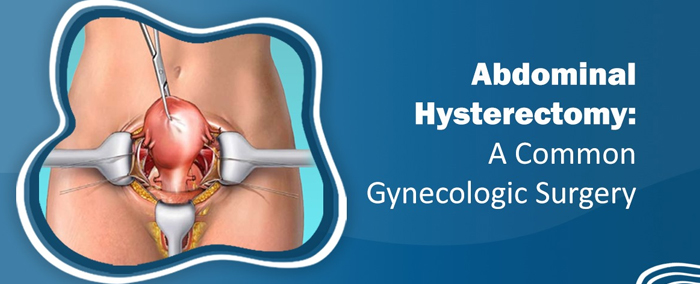
Abdominal hysterectomy is a traditional surgical approach in which the uterus is removed through an incision in the lower abdomen. This method is often recommended for women with large uteruses, significant fibroids, endometriosis, cancer, or previous pelvic surgeries that make minimally invasive procedures difficult. It allows the surgeon direct access to the uterus and surrounding structures, making it ideal for complex cases where precise removal is necessary.
The surgery is performed under general anesthesia. A horizontal or vertical incision is made in the lower abdomen, depending on the size of the uterus and underlying condition. The surgeon carefully separates the uterus from surrounding tissues, ligaments, blood vessels, and nearby organs such as the bladder and bowel. If indicated, the ovaries, fallopian tubes, or lymph nodes may also be removed during the procedure.
Abdominal hysterectomy can be total, where both the uterus and cervix are removed, or subtotal, where the cervix is left intact. The procedure offers the advantage of excellent visibility and access, which is especially important in cases involving large fibroids, adhesions, or suspected malignancy. However, it is more invasive than vaginal or laparoscopic methods, resulting in longer recovery times and larger scars.
Postoperative care involves a hospital stay of 3–5 days. Patients may experience abdominal pain, fatigue, and swelling around the incision. Recovery at home usually takes 4–6 weeks, during which patients should avoid lifting heavy objects, strenuous exercise, and sexual activity. Proper wound care, hydration, a balanced diet, and regular follow-ups are essential to prevent infections and ensure proper healing.
Risks associated with abdominal hysterectomy include bleeding, infection, injury to nearby organs, blood clots, and anesthesia-related complications. Women undergoing removal of ovaries may experience surgical menopause, with symptoms such as hot flashes, mood changes, and decreased bone density. Despite these risks, abdominal hysterectomy remains a reliable option for complex gynecological cases, offering definitive treatment and symptom relief.
In conclusion, abdominal hysterectomy is a time-tested surgical approach providing comprehensive access to the uterus and surrounding organs. It is particularly useful for complicated cases requiring careful surgical management. With proper surgical expertise and postoperative care, patients experience significant symptom relief, improved quality of life, and effective management of severe gynecological conditions.