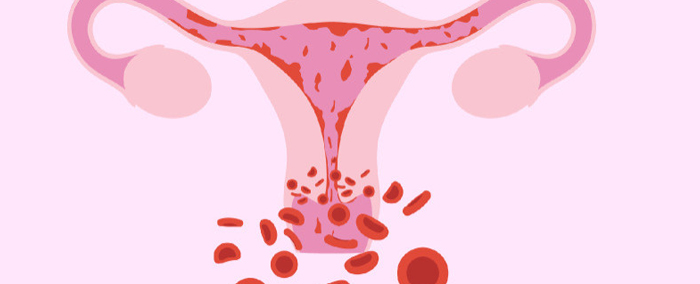
Heavy Menstrual Bleeding, also known as menorrhagia, is a common gynecological concern affecting many women during their reproductive years. It refers to excessively heavy or prolonged menstrual periods that interfere with daily activities, cause discomfort, or lead to health issues such as anemia. While menstrual flow varies from person to person, HMB is typically characterized by bleeding that lasts more than seven days, requires frequent pad or tampon changes (every one to two hours), passes large blood clots, or causes fatigue and weakness due to excessive blood loss.
There are several potential causes of Heavy Menstrual Bleeding. Hormonal imbalances are one of the most common reasons, especially when the body produces irregular levels of estrogen and progesterone. This imbalance can lead to thickening of the uterine lining, resulting in heavier bleeding. Structural abnormalities such as uterine fibroids, polyps, and adenomyosis can also contribute to increased menstrual flow. In some cases, underlying medical conditions like thyroid disorders, clotting abnormalities, or pelvic infections may be responsible. For women using copper intrauterine devices (IUDs), heavier menstrual bleeding may occur as a side effect.
The symptoms of HMB often extend beyond excessive bleeding. Women may experience severe cramps, pelvic pressure, weakness, dizziness, or shortness of breath if anemia develops. These symptoms not only affect physical health but can also impact emotional well-being and overall quality of life. It is important for women to monitor their menstrual patterns and seek medical advice if bleeding becomes unusually heavy or prolonged.
Diagnosis of Heavy Menstrual Bleeding usually involves a detailed medical history, physical examination, and tests such as blood work, pelvic ultrasound, or hysteroscopy, depending on the suspected cause. Treatment varies based on the underlying reason, severity of symptoms, and the patient’s reproductive plans. Options may include hormonal therapies such as oral contraceptives, progesterone tablets, or hormonal IUDs to regulate the cycle and reduce bleeding. Non-hormonal medications like tranexamic acid or NSAIDs can also help manage symptoms. In more severe or persistent cases, minimally invasive procedures like endometrial ablation or surgical interventions such as myomectomy may be recommended.
Overall, Heavy Menstrual Bleeding is a manageable condition when identified early and treated appropriately. Women experiencing symptoms should consult a healthcare professional promptly to receive proper diagnosis, personalized care, and effective treatment that helps restore normal menstrual health and improves quality of life.