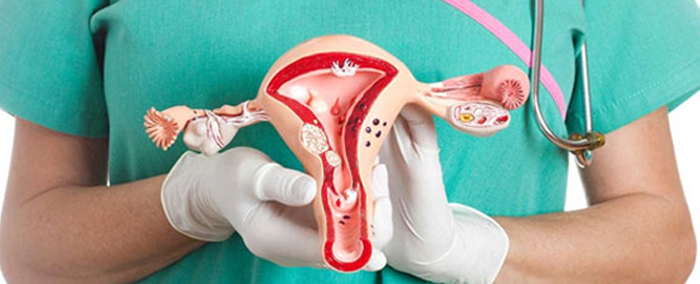
Removal of the uterus is the defining aspect of a hysterectomy, and it involves excising this vital reproductive organ, either partially or completely. The uterus, also known as the womb, is responsible for menstruation, implantation of a fertilized egg, and fetal development during pregnancy. Its removal is considered when medical treatments fail to resolve conditions such as fibroids, adenomyosis, persistent uterine bleeding, uterine cancer, endometriosis, or prolapse.
A total hysterectomy removes the entire uterus along with the cervix, while a subtotal (supracervical) hysterectomy only removes the upper portion of the uterus, leaving the cervix intact. Surgeons may also remove the fallopian tubes and ovaries depending on the patient’s age, risk of ovarian cancer, and underlying conditions. The procedure not only resolves symptoms such as chronic pelvic pain, excessive menstrual bleeding, and pressure from enlarged fibroids but also reduces the risk of uterine and cervical cancer in high-risk patients.
The surgical process begins with anesthesia, followed by accessing the uterus through an abdominal incision, vaginal route, or laparoscopic instruments. During surgery, the uterus is carefully separated from surrounding tissues, including ligaments, blood vessels, and connective tissue, ensuring minimal damage to nearby organs such as the bladder and bowel. The precision of the procedure is crucial to avoid complications like excessive bleeding, infection, or injury to adjacent structures.
Post-surgery, patients may experience temporary symptoms like fatigue, pain at the incision site, and hormonal changes, especially if the ovaries are removed. Recovery typically involves hospital observation for 1–5 days depending on the surgical approach. Patients are advised to gradually resume normal activities, avoid lifting heavy objects, and follow a healthy diet to support healing. Pelvic floor exercises and regular follow-ups are essential to prevent complications like prolapse or urinary incontinence.
While removal of the uterus ends menstruation and the possibility of pregnancy, it often significantly improves quality of life for women with chronic gynecological disorders. Emotional support and counseling may be beneficial, particularly for women undergoing surgery before natural menopause. Long-term monitoring includes bone health, cardiovascular well-being, and management of menopausal symptoms if applicable.
Ultimately, the removal of the uterus through hysterectomy is a life-changing procedure that, when indicated and properly performed, provides relief from chronic pain, prevents life-threatening conditions, and ensures overall reproductive health management.