Laparoscopic hysterectomy is a minimally invasive surgical technique for removing the uterus using small incisions and specialized instruments guided by a camera. This method has become increasingly popular due to its advantages over traditional open surgery, including reduced postoperative pain, shorter hospital stays, quicker recovery, minimal scarring, and lower risk of infection. It is suitable for most benign conditions such as fibroids, endometriosis, adenomyosis, and abnormal uterine bleeding, and selected early-stage malignancies.
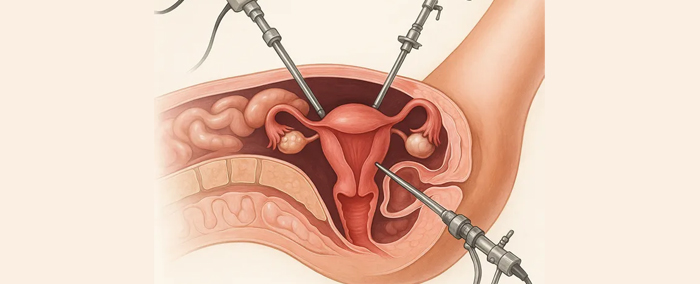
During the procedure, general anesthesia is administered, and several small incisions (usually 0.5–1 cm) are made in the abdomen. A laparoscope, a thin tube with a camera and light, is inserted through one incision, providing a magnified view of the uterus and surrounding organs on a monitor. Surgical instruments are introduced through the other small incisions to detach and remove the uterus. In some cases, the uterus may be removed in small pieces through a process called morcellation, allowing extraction without enlarging the incision.
Laparoscopic hysterectomy can be performed as total or subtotal, depending on whether the cervix is removed. Surgeons may also remove fallopian tubes, ovaries, or lymph nodes based on medical indications. This approach requires specialized surgical training, advanced equipment, and careful preoperative assessment to minimize complications such as bleeding, injury to surrounding organs (bladder, ureters, bowel), or reactions to anesthesia.
Postoperative recovery is usually faster compared to abdominal hysterectomy, with patients often discharged within 24–48 hours. Mild abdominal discomfort, shoulder pain due to gas used during surgery, and fatigue are common during the first few days. Patients are advised to avoid strenuous activities for 2–4 weeks and follow a balanced diet to aid healing. Regular follow-ups are essential to monitor recovery, detect any complications, and manage hormonal changes if the ovaries are removed.
Laparoscopic hysterectomy offers the benefit of minimal cosmetic impact, less postoperative pain, and quicker return to daily activities. It also reduces the risk of adhesion formation, which is common in open surgeries. Women who have undergone laparoscopic hysterectomy often report high satisfaction due to shorter recovery times and less disruption to lifestyle.
Overall, laparoscopic hysterectomy is a safe and effective option for women needing uterine removal. When performed by experienced surgeons, it combines the advantages of modern minimally invasive techniques with the effectiveness of traditional hysterectomy, ensuring optimal surgical outcomes and enhanced patient comfort.