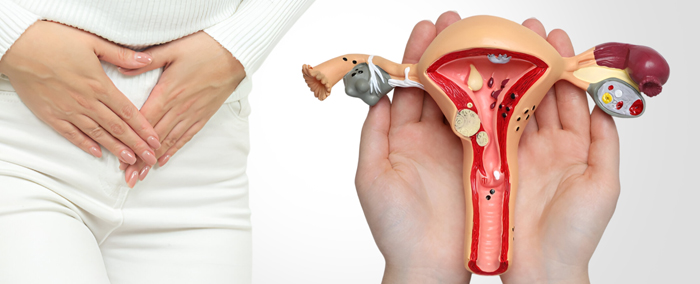
Polycystic Ovarian Disease (PCOD) and Polycystic Ovarian Syndrome (PCOS) are common hormonal disorders affecting women of reproductive age. Although the terms are often used interchangeably, PCOS is considered a more severe metabolic and hormonal condition, while PCOD mainly involves enlarged ovaries with multiple immature follicles. Both conditions can impact menstrual cycles, fertility, weight, skin health, and overall well-being.
PCOD/PCOS occurs due to an imbalance in reproductive hormones—primarily excess androgens (male hormones), insulin resistance, and irregular ovulation. Genetics, stress, sedentary lifestyle, and unhealthy dietary habits also contribute to the development of this condition. Women with PCOS often struggle with the body’s inability to effectively use insulin, leading to higher insulin levels that stimulate the ovaries to produce more androgens. This hormonal imbalance disrupts the natural menstrual cycle and can lead to ovarian cysts.
Common symptoms include irregular or missed periods, heavy bleeding, acne, oily skin, hair fall, excessive facial or body hair (hirsutism), weight gain (especially around the abdomen), mood swings, and difficulty conceiving. Some women may also experience darkening of the skin around the neck or underarms (acanthosis nigricans), which indicates insulin resistance. Not all women exhibit all symptoms, and the severity varies from person to person.
If not managed early, PCOD/PCOS can lead to long-term complications such as infertility, type 2 diabetes, hypertension, high cholesterol, sleep apnea, endometrial hyperplasia, and increased risk of heart disease. However, with timely diagnosis and proper lifestyle modifications, most women can effectively control symptoms and lead a healthy life.
Diagnosis usually involves a detailed medical history, physical examination, blood tests to check hormone levels, and an ultrasound to examine the ovaries. Treatment focuses on managing symptoms rather than offering a permanent cure, as PCOS tends to be a lifelong condition. Doctors often recommend lifestyle changes like regular exercise, weight management, a balanced diet low in refined sugars, and stress reduction techniques. Medications may include hormonal birth control to regulate periods, anti-androgen drugs to reduce excess hair, and insulin-sensitizing medications like metformin.
For women trying to conceive, ovulation-inducing medications or assisted reproductive techniques may be recommended. Maintaining a healthy lifestyle remains the most effective and long-term method of managing PCOD/PCOS. Early recognition and consistent care can significantly improve hormonal balance, fertility, and overall quality of life.