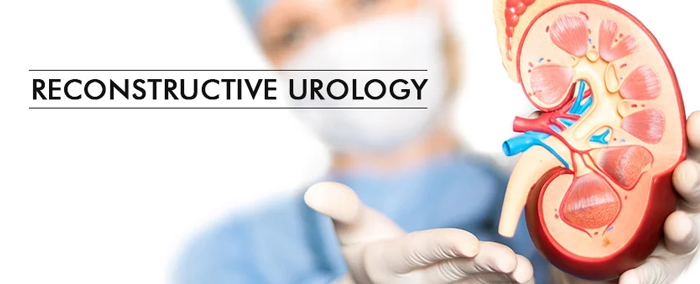
Reconstructive Urological Surgery is a highly specialized branch of urology focused on restoring the normal structure and function of the urinary tract and male reproductive organs. These surgeries are performed to repair damage caused by trauma, congenital abnormalities, infections, cancer treatments, strictures, or previous failed surgeries. The primary goal is to improve the patient’s quality of life by ensuring proper urinary flow, preserving kidney function, maintaining continence, and enhancing overall urological health.
One of the most common areas of reconstructive urology is urethral reconstruction, typically required in patients suffering from urethral strictures. These strictures may develop due to injury, inflammation, or previous instrumentation. Reconstructive procedures such as urethroplasty help restore the normal urinary passage, relieve symptoms like weak stream and urinary retention, and prevent long-term complications.
Bladder reconstruction is another critical component, often performed in patients who have undergone bladder removal due to cancer or those with congenital or neurological disorders affecting bladder capacity and control. Techniques such as augmentation cystoplasty or neobladder creation help improve bladder function, enhance urinary continence, and support the patient’s daily activities without dependence on external appliances.
Reconstructive urology also plays a vital role in addressing ureteral damage that may arise from surgical complications, infections, or kidney stones. Procedures like ureteral reimplantation or ureteroplasty restore the natural drainage system between the kidneys and bladder, thereby preventing kidney damage and recurring infections.
For patients affected by pelvic trauma—often resulting from accidents—reconstructive surgeons repair complex injuries to the urinary tract, including the urethra, bladder, and genitals. This not only restores function but also helps rebuild personal confidence and emotional well-being.
In men experiencing complications from prostate surgery or radiation therapy, reconstructive urology offers solutions for conditions like urinary incontinence and erectile dysfunction. Advanced procedures such as artificial urinary sphincter implantation and penile prosthesis surgery significantly improve the patient’s quality of life.
Additionally, reconstructive urological surgery addresses congenital conditions in both children and adults, such as hypospadias, epispadias, and vesicoureteral reflux, ensuring normal urinary and reproductive function.
Overall, Reconstructive Urological Surgery blends advanced surgical techniques with precision, innovation, and compassionate care. It aims to restore normal anatomy, boost functional outcomes, and enhance patient comfort. With continuous advancements in minimally invasive and robotic technologies, reconstructive urology offers safer procedures, faster recovery, and improved long-term results for patients dealing with complex urological conditions.